
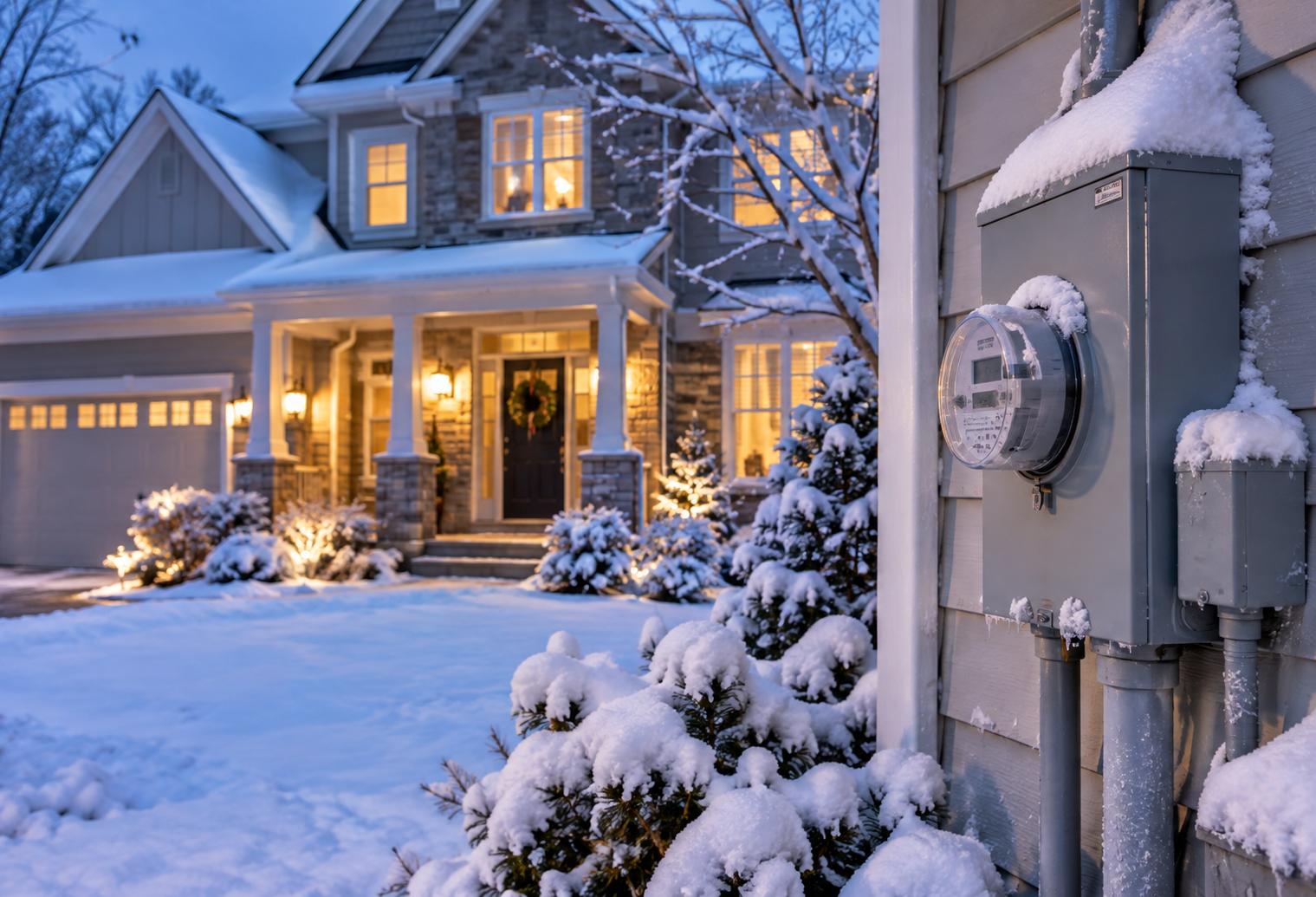
Winter in Northern Virginia brings freezing nights, shorter daylight hours, holiday electrical loads, and heavier use of heating equipment. For homeowners in Alexandria, Arlington County, Fairfax County, and nearby communities, those seasonal changes can expose electrical problems that were easy to overlook during warmer months.
The best winter electrical protection starts with reducing overloaded circuits, checking heating equipment and cords, testing safety devices, and paying attention to warning signs such as flickering lights, warm outlets, or frequently tripped breakers. Outdoor electrical equipment also deserves attention because moisture, ice, and freezing temperatures can create additional problems. Addressing questionable electrical conditions before the coldest part of winter can help reduce disruptions and safety concerns.
What local homeowners should know
- Portable space heaters should be plugged directly into an appropriate wall outlet rather than an extension cord or power strip.
- Older homes in Alexandria and established Northern Virginia neighborhoods may have electrical systems that have been modified as household power demands increased.
- Winter storms and freezing precipitation can contribute to outages, voltage disturbances, and problems involving outdoor electrical equipment.
- Holiday lights, electric heaters, cooking appliances, and everyday electronics can place additional demand on household circuits.
- Repeated breaker trips, burning odors, buzzing, sparks, or unusually warm electrical components should not be treated as normal winter inconveniences.
Walsh Electric helps local property owners address residential electrical needs. We encourage homeowners to use winter as an opportunity to identify electrical concerns before they turn into larger problems.
Why Does Winter Electrical Safety Matter in Northern Virginia?
Winter electrical safety matters in Northern Virginia because cold weather increases the use of heating equipment, lighting, and other electrical devices while snow, ice, rain, and wind can affect exterior systems. Those conditions can place additional demands on electrical components both inside and outside a home.
Homes across Old Town, Del Ray, Rosemont, Mount Vernon, and other established communities vary significantly in age and electrical configuration. A house may also have gained new appliances, electronics, lighting, or heating equipment long after its original electrical system was installed.
That makes winter a useful time to pay attention to how the system responds under heavier seasonal use.
What Winter Electrical Problems Do We Commonly Watch For?
Winter electrical concerns often become noticeable when homeowners begin using more high-demand equipment at the same time. Rather than relying on a single regional statistic, practical field observations include watching for overloaded circuits, aging electrical components, damaged outdoor connections, and problems that appear only when seasonal equipment is operating.
For example, a circuit that handles everyday loads without difficulty may begin tripping after an electric heater is added. Exterior receptacles or decorations may also encounter moisture during Northern Virginia's winter rain, snow, or freeze-thaw conditions.
These observations do not automatically identify the underlying electrical problem. They are signs that further evaluation may be appropriate.
What Warning Signs Should Alexandria Homeowners Watch For?
Winter electrical warning signs include repeated breaker trips, flickering lights, unusual sounds, heat, odors, sparks, and damaged electrical equipment. Alexandria homeowners should take these symptoms seriously, particularly when they appear after plugging in a heater, holiday display, or another high-demand device.
Watch for:
- Breakers that repeatedly trip when heating equipment or appliances operate.
- Lights that noticeably dim or flicker when another device turns on.
- Outlets, switches, plugs, or wall plates that feel unusually warm.
- Buzzing, crackling, or sizzling sounds near electrical components.
- Burning or hot-plastic odors near outlets, switches, cords, or the electrical panel.
- Loose outlets or plugs that no longer fit securely.
- Frayed, cracked, pinched, or damaged extension and appliance cords.
- Sparks, discoloration, or visible damage around electrical equipment.
If you see smoke, active sparking, or another immediate electrical hazard, move away from the affected area and treat it as an emergency.
When Should You Call a Professional Electrician?
You should call a professional electrician when an electrical problem repeats, involves heat or burning odors, produces sparks or unusual sounds, or requires opening panels and working with wiring. Homeowners can perform basic visual checks, but electrical diagnosis and repair should not become a DIY experiment.
It is reasonable to check whether cords are visibly damaged, test accessible smoke and carbon monoxide alarms according to manufacturer instructions, and remove unnecessary loads from outlets.
Troubleshooting wiring, replacing breakers, modifying circuits, or working inside an electrical panel requires a different level of expertise. This is particularly relevant in older Alexandria properties where previous renovations may have changed the original electrical configuration.
What Causes Winter Electrical Problems in Northern Virginia Homes?
Common winter electrical problems in Northern Virginia are often connected to increased circuit demand, portable heating equipment, aging components, outdoor moisture, and temporary seasonal wiring. The exact cause requires diagnosis, but several conditions deserve particular attention.
1. Increased electrical demand: Longer nights mean more lighting, while heaters, cooking equipment, entertainment systems, and holiday decorations may operate simultaneously.
2. Portable heaters: Electric space heaters can draw substantial power. Problems can occur when they share a circuit with other demanding equipment or are used with unsuitable extension cords or power strips.
3. Aging electrical components: Older housing throughout Alexandria and nearby communities may have electrical equipment that has experienced decades of use or multiple renovations.
4. Outdoor winter conditions: Rain, melting snow, freezing temperatures, and ice can expose weaknesses in outdoor receptacles, covers, cords, fixtures, and connections.
5. Temporary holiday setups: Multiple light strings, extension cords, and decorations can create problems when equipment is damaged, overloaded, or not intended for its location.
How Can You Prevent Winter Electrical Problems?
You can prevent many winter electrical problems by inspecting seasonal equipment before use, avoiding overloaded outlets, keeping cords protected, and responding quickly to abnormal electrical behavior. In Northern Virginia, completing these checks before sustained freezing weather arrives can make winter electrical use more predictable.
Inspect holiday lights and extension cords for damage before plugging them in. Follow manufacturer instructions for connected decorations and use equipment rated for outdoor use when it will be exposed to the weather.
Plug portable heaters directly into suitable wall outlets and keep them away from combustible materials. Do not route electrical cords under rugs, through doorways where they can be pinched, or through locations where melting snow can reach connections.
Test smoke and carbon monoxide alarms according to their manufacturers' instructions. If your electrical system repeatedly struggles with ordinary winter loads, have the underlying issue evaluated rather than repeatedly resetting a breaker.
What Results Can You Expect From Winter Electrical Maintenance?
Winter electrical maintenance can help identify damaged components, overloaded circuits, and other concerns before they cause repeated disruptions. The exact result depends on the home's electrical system, its age, previous modifications, and the equipment residents expect it to support.
An electrical inspection or targeted service visit may reveal that a problem is isolated to a device or receptacle. In other situations, further repairs or electrical upgrades may be appropriate.
The goal is not to promise that an outage or electrical failure will never occur. It is to identify correctable conditions and help the home's system safely support normal electrical demand.
What Winter Electrical Mistakes Should Homeowners Avoid?
The most important winter electrical mistakes to avoid are overloading circuits, ignoring repeated warning signs, and using temporary wiring as a permanent solution. These habits can turn a manageable electrical concern into a recurring problem.
Mistake: Repeatedly resetting a breaker.
Consequence: The underlying overload or electrical fault remains unresolved.
Better approach: Reduce the load and seek professional evaluation if the breaker continues to trip.
Mistake: Using an extension cord with a space heater.
Consequence: An unsuitable cord or connection can overheat.
Better approach: Follow the heater manufacturer's instructions and plug it directly into an appropriate wall outlet.
Mistake: Ignoring a warm or discolored outlet.
Consequence: A potentially significant electrical symptom can worsen.
Better approach: Stop using the affected component and arrange an evaluation.
Mistake: Leaving damaged outdoor holiday cords in service.
Consequence: Winter moisture can make damaged equipment more concerning.
Better approach: Replace damaged seasonal equipment rather than patching it for another winter.
What Is a Common Winter Electrical Scenario in Alexandria?
A common Alexandria winter scenario is a circuit that works normally most of the year but begins tripping after a portable heater or additional seasonal equipment is introduced. That does not necessarily mean the breaker itself is defective.
The new load may simply expose a limitation or an existing problem that was less noticeable during other seasons. Instead of repeatedly resetting the breaker or moving equipment between outlets without understanding the circuits involved, a professional evaluation can determine what is happening.
Which Electrical Services Can Help Protect Your Home?
Electrical inspections, troubleshooting, outlet and switch repairs, circuit work, panel-related service, and other appropriate residential electrical solutions can address problems discovered during winter. The right service depends on the symptoms and the condition of the home's existing electrical system.
Our first priority is determining what is causing the problem rather than assuming every winter electrical symptom requires a major upgrade.
Contact us to discuss a winter electrical concern or request service for your Northern Virginia home
Should You Handle the Problem Yourself or Call an Electrician?
DIY electrical care should generally stop at safe visual checks, manufacturer-directed testing, and responsible equipment use, while wiring, panel work, persistent breaker problems, heat, odors, and sparking warrant professional attention. The deciding factor should be the type of electrical work involved, not whether a repair initially appears simple.
Homeowners can inspect cords, remove damaged decorations from use, and avoid overloaded power strips. They should not remove electrical panel covers or attempt wiring repairs without appropriate expertise.
For older homes around Alexandria, professional troubleshooting can also help distinguish a seasonal equipment problem from an issue within the home's electrical system.
Where Do These Winter Electrical Tips Apply Locally?
These winter electrical tips are especially relevant to Alexandria and surrounding Northern Virginia communities where cold weather, established housing, and seasonal electrical demand overlap. Homeowners in Arlington, Fairfax County, Mount Vernon, and nearby areas can encounter many of the same winter electrical concerns.
Local conditions and individual homes vary, so the appropriate solution should be based on the actual electrical system and symptoms present.
What Can Happen If You Ignore an Electrical Warning Sign?
Ignoring an electrical warning sign can allow a recurring overload, damaged component, loose connection, or other problem to continue. During a Northern Virginia winter, losing reliable use of a circuit can also become particularly inconvenient when that circuit supports lighting, appliances, or other equipment residents rely on during cold weather.
Waiting can also make troubleshooting harder if symptoms become intermittent. Document what you notice, stop using equipment that appears damaged or unsafe, and seek help when warning signs persist.
Schedule an electrical evaluation before a recurring winter problem becomes a larger disruption
Frequently Asked Questions About Winter Electrical Safety
Why does my breaker keep tripping during winter in Alexandria?
A breaker may trip during winter because the circuit is overloaded or because another electrical condition needs attention. Portable heaters and other high-demand equipment can make the problem more noticeable. If reducing the circuit load does not solve repeated trips, professional troubleshooting can identify the cause.
Can I plug a space heater into an extension cord?
Space heaters should generally be plugged directly into an appropriate wall outlet and used according to the manufacturer's instructions. Extension cords and power strips may not be suitable for the heater's electrical demand. If using a heater causes an outlet to become warm or a breaker to trip, stop and investigate the problem.
Do older Alexandria homes need extra winter electrical attention?
Older Alexandria homes can deserve additional attention because electrical systems may have been altered or expanded over many years. Age alone does not mean a system is unsafe, but recurring trips, warm outlets, outdated or damaged components, and unexplained flickering are good reasons to arrange a professional evaluation.
Can snow and ice affect outdoor electrical equipment in Northern Virginia?
Yes. Snow, ice, rain, and melting moisture can affect damaged or improperly protected outdoor electrical equipment. Use products intended for outdoor conditions and inspect cords, receptacles, decorations, and covers before winter use. Stop using anything with cracked insulation, damaged plugs, exposed conductors, or other visible deterioration.
Why do my lights flicker when the heat or an appliance turns on?
Brief changes in lighting can have several possible causes, and repeated or significant flickering deserves attention. The issue could relate to the equipment, a circuit, a connection, or another part of the electrical system. If flickering is new, worsening, or accompanied by heat, odors, or noise, have it evaluated.
When should Northern Virginia homeowners prepare their electrical systems for winter?
Early fall is a practical time to inspect seasonal electrical equipment and address known problems before colder weather increases household demand. Homeowners can check cords, alarms, outdoor equipment, and holiday lighting before use. Existing breaker, outlet, switch, or panel concerns are also better addressed before they become winter disruptions.
Should I worry if an outlet feels warm?
An unusually warm outlet, plug, switch, or wall plate should not be ignored. Stop using the affected device or outlet and have the condition evaluated, particularly if you also notice discoloration, buzzing, burning odors, or intermittent operation. Electrical components should not become noticeably hot during ordinary use.
Can holiday lights overload a circuit in Alexandria homes?
Holiday lighting can contribute to an overloaded circuit when it is combined with other electrical loads or installed without following product limitations. Check manufacturer instructions, inspect every light string before use, and avoid assuming that an outlet can support unlimited decorations simply because additional plugs physically fit.
Protect Your Northern Virginia Home Through the Coldest Months
A safer winter electrical routine starts with paying attention to how your home responds to increased seasonal demand. For local homeowners, early attention to tripping breakers, damaged cords, warm outlets, outdoor equipment, and other warning signs can help prevent avoidable electrical disruptions.
Keep Your Home's Electrical System Ready for Winter
Walsh Electric is here to help Alexandria-area homeowners identify and address electrical concerns so they can head into colder weather with greater confidence.

